
However, despite their essential role, myths and misunderstandings continue to cloud public perception of these tests. Not all beverages will experience the same degree of alcohol loss when decanted. Factors such as the original alcohol content and the type of beverage can influence the rate of evaporation. While the benefits of decanting are widely recognized, the inquiry into whether this process affects the alcohol content requires a closer examination. This is an easy assumption to make if you’re observing the often less-than-wise behavior that can result from knocking back a few too many. But an average night of drinking won’t lead to any long-term brain damage.
Fiction: Cutting back on alcohol won’t impact my weight loss efforts.
- Panellists then quantitatively ranked the pairs in Rounds 2 and 3 (∼10 min) based on their importance for inclusion in a public anti-stigma intervention.
- Little is known about the most effective type of education intervention for AUD stigma-reduction.
- Alcohol is addictive and its effects on our brains can easily create dependence.
Panellists then quantitatively ranked the pairs https://parkercountybarassociation.com/how-to-calculate-retained-earnings-the-formula-3/ in Rounds 2 and 3 (∼10 min) based on their importance for inclusion in a public anti-stigma intervention. Many people think that a brisk walk or run after a night of drinking will help them get the alcohol out of their system faster. There is really nothing you can do to reduce the alcohol level in your blood – other than wait. In fact, you should be careful about exercising under the influence. There are purported benefits, as well as pitfalls, to consuming alcohol. Once it enters your system, it triggers immediate physiological changes in the brain, heart, and liver, among other organs.
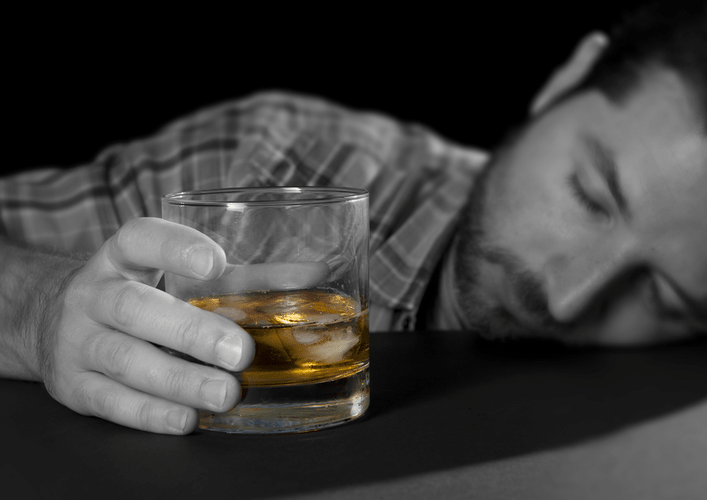
Myth 1: Drug and alcohol addiction shows a lack of willpower
We asked Kenneth R. Warren, Ph.D., deputy director of the National Institute on Alcohol Abuse and Alcoholism (NIAAA), to help set the record straight. This is known as an “anxiety rebound,” and it may lead you to consume more alcohol to alleviate your stress, unaware that drinking actually intensifies it—a very vicious cycle! To destress in a more effective and healthy way, pick a different coping strategy like exercise, a fun hobby, or spending time with loved ones. Your lack of coordination increases the risk of injury, you are more prone to dehydration, and you have a higher risk of irregular cardiac rhythm.
Myth: Only people who drink everyday have a problem with alcohol.
This misconception stems from the belief that addiction is solely a result of a person’s choices and behaviors. Some people think that those addicted to opioids or other substances must have engaged in drug abuse or risky behaviors in the past. Furthermore, combining caffeine and alcohol can lead to poor decisions due to the contrasting effects of the substances on the nervous system.
myths about drinking alcohol you’ll wish you’d known sooner
Understanding these myths allows wine enthusiasts to make informed choices about decanting and to enjoy a more fulfilling tasting experience. Yes, decanting can significantly help reduce the harshness and intensity of young wines. Young wines, particularly reds, often have a high level of tannins, which can create a bitter or astringent mouthfeel. By decanting the wine, the exposure to oxygen softens these tannins over time, allowing for a smoother taste.
- You’ve probably heard that a drink before bed will help you sleep, but according to Cleveland Clinic, drinking before bed will backfire.
- Eventually, the stomach will empty from dinner and alcohol absorption will pick up again.
- Setting realistic goals makes the process feel less overwhelming.
- But that haze isn’t selective and also dims our awareness of the best things in life.
- With the monumental winter storm recently covering most of the nation, now seems a good time to look at some cold and winter weather myths and misinformation.
- This is mainly a dangerous misconception for individuals who experiment with substances casually.
Coffee or a dunk in cold water might wake you up a little, but it won’t speed up the process of eliminating the bad stuff from your system. Neurons are the cells that act as communicators, triggering motor responses to physical stimuli. For example, if you touch something hot, neurons carry the message from your nerves to your brain, which send the return message to your arm to move your hand off the stove.
Alcohol Kills Brain Cells
The myths that surround this field often stem from a lack of knowledge about these processes. Substance abuse testing (also referred to as Drug Testing) has become a critical tool in workplaces, schools, and even in medical settings. These tests aim to ensure safety, productivity, and reliable health assessments, helping to prevent potential hazards arising from impaired judgment or performance.
Understanding Decanting: What is It?
The lack of deep sleep weakens your immunity, slowly kills you, Drug rehabilitation and turns you into an asshole. We’ve all heard people say how much better they sleep after a drink, haven’t we? Well it might surprise you to know that although we might drop off quickly after a couple of glasses, we spend less time in the deep sleep that we actually need to feel well-rested. Here are some popular myths around alcohol, to help you better understand the true impact of alcohol on our health, finances, workplaces and society. “You might get tranquilized and pass out, but you don’t reach the deep levels of sleep that you need to actually feel rested.” But it doesn’t have to be this way – we can change the centre-stage role that alcohol plays in our society and lives.
All those mints and pennies can’t trick the chemical reaction used to measure your blood alcohol content. And if you’re ever in a situation where you feel the need to beat a breathalyzer, maybe just lie down and take a nap instead of jumping in the driver’s seat. Or call a cab, or your mom, or your local congressperson, provided you’re close enough to him or her to ask for a lift. Alcohol also promises to enrich your life by making any experience better—time with friends and myths about alcohol family, an evening alone, a disappointing day, a celebration. There were so many evenings when my half-hearted resolution to stop drinking would end with the thought, “Tonight will be better if I pick up some beer or wine on my way home.”
In other words, coffee may just mask the feeling of being drunk, which is still not good. “The alertness can create the perception that you aren’t as drunk or intoxicated as you actually are, and you may decide to have another drink or to drive home,” he adds. “Drinking coffee or other caffeine products after having one too many drinks can trick your brain into making you feel energized and more awake or alert,” warns Dr. Janesz. Repeated alcohol use seriously disturbs sleep and makes it difficult to re-establish a normal sleep pattern. Often, this leads to more drinking or to sedative abuse in the quest for sleep.
